- Boats and ships
-
by nepropcom1
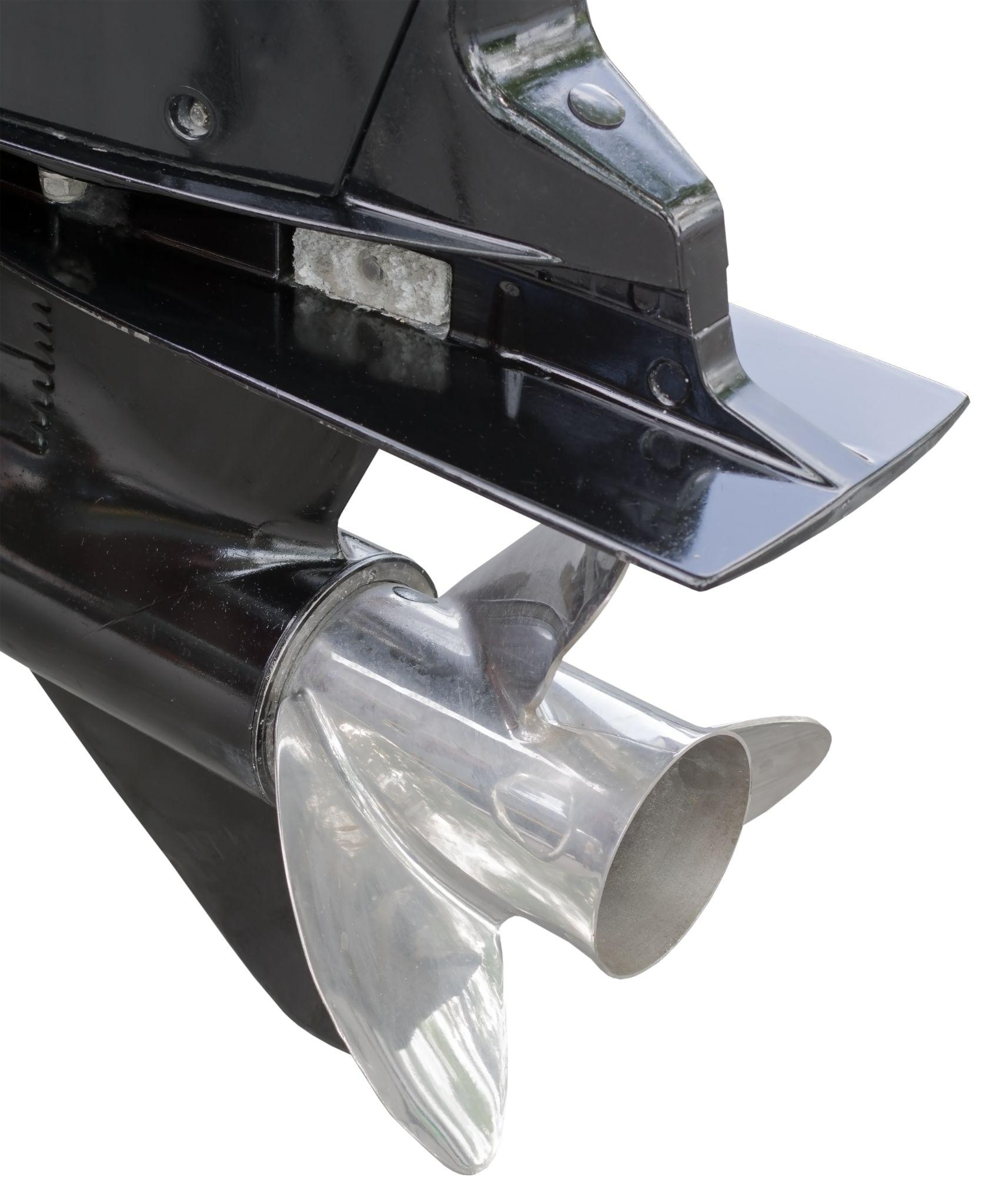
When your outboard runs above or below Mercury’s recommended wide-open-throttle range, mercury outboard propellers in MA should be matched using actual RPM, boat load, setup, and engine condition—not pitch alone.
A boat can feel wrong before the fault becomes obvious. The engine sounds busy without matching speed, planing takes longer, or RPM falls short once passengers and gear come aboard. Concerns about over-revving, lugging, fuel use, and engine strain follow. Re-propping without sound operating data may exchange one mismatch for another.
A WOT reading becomes meaningful only when it comes from a safe, repeatable run using your normal load, correct trim, reliable instruments, a clean hull, and a healthy, maintained engine.
A Reliable Diagnosis Needs a Clean WOT Run
Treat the WOT run as a controlled measurement. Before testing:
- Confirm Mercury’s published RPM range for the engine.
- Follow operator guidance in safe water.
- Carry your usual passengers, fuel, and gear.
- Trim appropriately, then record maximum RPM and GPS speed.
- Note water, weather, and hull conditions.
- Question an unusual reading until tachometer accuracy is verified.
Known maintenance faults should be corrected first. Marine boat parts in MA may support repairs, but RPM becomes diagnostic once the engine has a credible operating baseline.
Above Range Points to Too Little Propeller Load
Above-range RPM may reflect too little pitch, insufficient diameter or blade area, or a light test load. Ventilation, blade damage, excessive slip, or incorrect mounting height can look similar.
Increasing pitch generally lowers WOT RPM, but RPM alone can’t justify the adjustment.
A specialist matching Mercury Outboard Propellers in MA should compare diameter, pitch, blade count, cup, and condition with GPS speed, slip, engine height, boat use, and Mercury’s range.
That comparison separates a load mismatch from damage or setup-related over-revving.
Below Range Doesn’t Automatically Mean the Prop Is Wrong
Below-range RPM has several possible causes. Excessive pitch or propeller load may hold the engine back, as can passengers, fuel, gear, marine growth, a fouled hull, poor trim, damaged blades, or setup. Restricted fuel delivery, ignition faults, and broader engine-performance problems also belong in the diagnosis.
Reducing pitch may raise WOT RPM but can conceal lost engine power. Marine boat parts in MA can support maintenance and repairs, while a qualified marine technician reliably diagnoses engine concerns. The propeller specialist can then concentrate on fit, geometry, condition, and performance data.
RPM Responds to More Than Pitch
Pitch operates within a larger geometry:
- Diameter: Influences how much water the propeller engages.
- Blade count and area: Affect grip, load carrying, acceleration, and smoothness.
- Cup: Changes effective pitch, grip, and WOT RPM.
- Material and blade thickness: Influence stiffness, durability, and response.
- Gear ratio and horsepower: Establish the operating context.
- Hull, motor height, and normal load: Shape real-world results.
Suitable Mercury Outboard Propellers in MA must match the complete boat-and-engine package. Two props with the same pitch can perform differently because diameter, blade area, cup, material, and geometry aren’t identical.
Bring a Performance Snapshot, Not a Hunch
Record:
- Boat: Make, model, year, and length
- Engine: Mercury model, horsepower, and gear ratio
- Propeller: Brand, part number, diameter, pitch, blades, and material
- Test: Usual load, WOT RPM, and GPS speed
- Symptoms: Hole shot, cruise, handling, vibration, or ventilation
- History: Recent propeller or engine changes
These give specialists useful data beyond “the boat feels slow.”
Turn the Tachometer Reading Into a Better Match
Bring WOT data and your current propeller to New England Propeller, Inc. in Plymouth, serving recreational and commercial marine customers since 1934. We’re an NMPA charter member and Massachusetts’ only NMPA Certified Propeller Shop.
Our trained technicians size and customize Mercury and other outboard/sterndrive propellers, repair aluminum and stainless-steel OB/IO models, and use Hale MRI, Prop Press 360, and dynamic balancing. We stock Sierra Marine, CDI Electronics, NGK, and other engine parts.
At 508-747-6666, ask about sizing, repair advice, or a quote based on verified data and the engine’s operating range.